

Preserving and Enhancing
Vision Throughout Life
Our doctors and highly trained staff strive to give you an exceptional patient experience by using the most advanced testing and diagnostic equipment available today. This allows us to provide you with thorough preventative care, treatment, and management of eye diseases such as glaucoma, macular degeneration, and dry eye syndrome. We combine this technology with our focus on education and create a partnership with you to give you the best visual and eye health results for a lifetime.
OUR
SERVICES
At Eye Care Center, we believe vision is a precious gift, and as your eye care provider, it is our responsibility to work with you to preserve and enhance this gift.


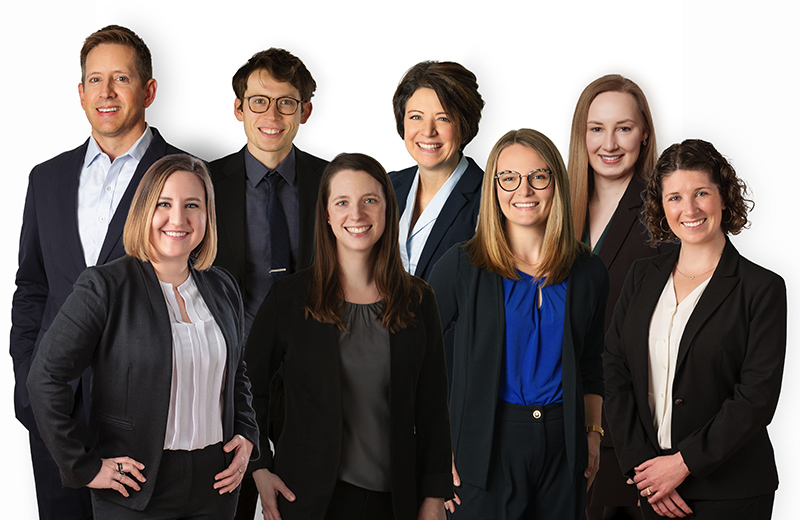
DR. MITCHELL ALBERS
Mitchell H. Albers, OD joined the Eye Care Center professional staff in 2001 and became a partner in the practice in 2002. Originally from Bismarck, ND, Dr. Albers received his bachelor's degree from the University of Minnesota and his Doctor of Optometry degree in 1999 from Pacific University in Oregon. While in optometry school, he was a member of the Beta-Sigma-Kappa optometric honor society for academic excellence.

DR. TINA MCCARTY
Dr. McCarty joined the Eye Care Center team of doctors in 2003 and became a partner in the practice in 2015. She is a native of the Twin Cities. She received her bachelor's degree from North Dakota State University and her Doctor of Optometry from Pennsylvania College of Optometry in Philadelphia. Dr. McCarty was vice-president of her class at PCO, graduated as a member of the Gold Key International Honor Society, and received honors for clinical excellence.

DR. MEGAN HARESDIN
Dr. Megan Haresdin joined the Eye Care Center team in 2022. She attended the University of Minnesota- Twin Cities for her undergraduate education and earned her Bachelor's degree while also being an active member of the University of Minnesota Marching Band. She went on to complete her optometric education at The Ohio State University and graduated in 2021 with her Doctor of Optometry degree.

DR. ALICIA ALVARADO
Dr. Alvarado joined the Eye Care Center team in 2018. She graduated from Gustavus Adolphus College and received her Doctor of Optometry from Pacific University College of Optometry. After graduation from optometry school in 2016, she completed an optometric residency at Minnesota Eye Consultants, P.A. in Minneapolis where she received further training in cornea, refractive surgery, glaucoma, and surgical co-management.

DR. SAMUEL BEERS
Dr. Samuel Beers joined the Eye Care Center in 2023. He received his bachelor’s degree in Pre-Medicine from The Master’s College and went on to receive his Doctor of Optometry degree from Indiana University in 2020. Dr. Beers’ clinical interests include comprehensive exams and contact lenses, as well as the treatment and co-management of ocular conditions, including glaucoma, cataracts, dry eye, diabetic retinopathy, and macular degeneration.

DR. RACHAEL BARKER
Rachael Barker, OD joined the Eye Care Center team in 2023. She completed her bachelor’s degree at Boston University and received her Doctor of Optometry from the Illinois College of Optometry, graduating magna cum laude in 2014 with honors in all of her clinical coursework. After optometry school Dr. Barker went on to a residency program specializing in pediatric eye care and vision therapy. She has had the opportunity to work in both private practice and academic settings.

DR. VERA LINDHORST
Dr. Lindhorst joined the Eye Care Center team in 2024. She graduated with high distinction from the Michigan College of Optometry. While attending optometry school, she enjoyed membership in the Beta-Sigma-Kappa optometric honor society in addition to holding office as the president of the Vision Rehabilitation Club. She completed her bachelor's degree at Luther College where she ran cross-country and track. Her special interests in optometric eye care range from comprehensive exams to disease management and geriatrics to children.
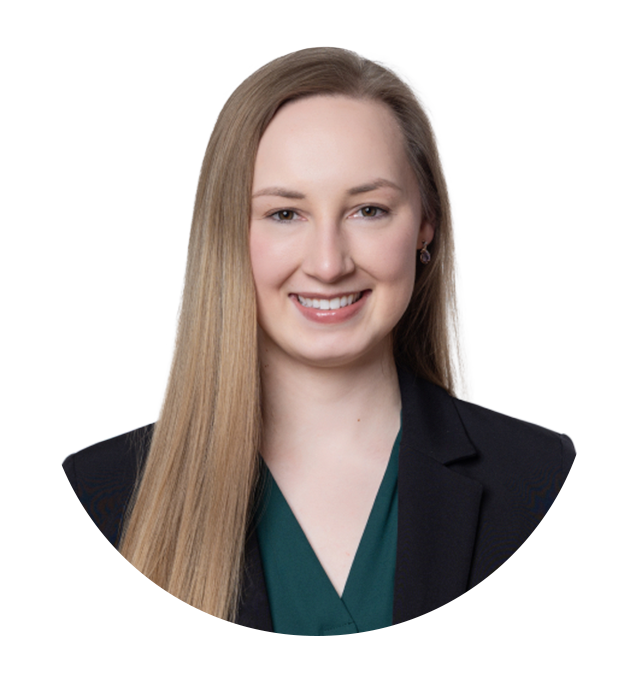
Dr. KARLEE SEAWELL
Dr. Seawell joined the Eye Care Center team in 2026. She graduated with her Bachelor’s degree in biology from the University of St. Thomas. She received her Doctor of Optometry from the Illinois College of Optometry in 2024 and received honors for clinical excellence. Dr. Seawell enjoys caring for people of all ages with a wide range of ocular conditions.
TOP BRANDS


Featured Insurances We Accept


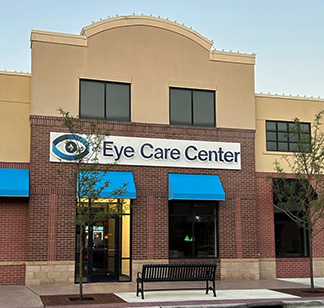


Hours
- Monday 09:00 AM - 06:00 PM
- Tuesday 10:00 AM - 06:00 PM
- Wednesday 09:00 AM - 06:00 PM
- Thursday 09:00 AM - 06:00 PM
- Friday 08:00 AM - 05:00 PM
© 2026 Eye Care Center. All Rights Reserved - Accessibility Statement - Sitemap
Powered by: