How Cataracts Affect Night Vision and Driving
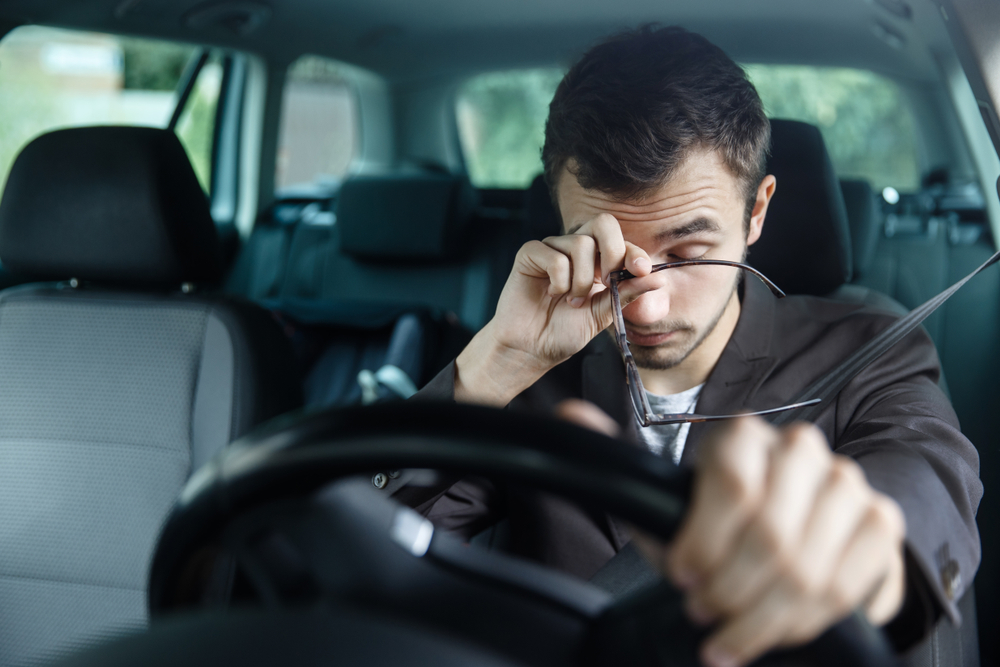
Cataracts are a common vision condition that develop when the normally clear lens of the eye becomes cloudy. While they can affect your vision at any time of day, many people first notice problems while driving at night. This is because cataracts interfere with how your eyes process light, making nighttime conditions especially challenging.
The Connection Between Cataracts and Night Vision
At night, your eyes rely on available light sources - such as headlights, streetlights, and dashboard lights - to see clearly. When cataracts form, they scatter and block light as it enters the eye, creating glare, halos, and reduced contrast sensitivity. This makes it harder to distinguish objects in low-light conditions and increases sensitivity to bright lights.
Common Nighttime Symptoms of Cataracts
People with cataracts often experience:
•Glare from headlights that can make oncoming traffic difficult to face.
•Halos around lights, making road signs and signals harder to read.
•Blurry or dim vision that makes it difficult to see pedestrians or lane markings.
•Reduced contrast sensitivity, which makes it harder to judge distances or spot obstacles in darker environments.
These symptoms can make night driving uncomfortable and unsafe. Many people with cataracts begin to limit their driving after dark due to these visual challenges.
When to See an Eye Doctor
If you’re noticing increased glare, trouble seeing at night, or difficulty driving after sunset, it’s time for a comprehensive eye exam. Cataracts develop gradually, and early detection allows your eye doctor to monitor their progression and recommend the right treatment at the appropriate time.
In many cases, stronger glasses or improved lighting may help temporarily. However, when cataracts significantly affect your daily activities - especially driving - cataract surgery can safely restore clarity and brightness to your vision.
Talk to Our Cataract Specialists at Eye Care Center
Cataracts can make night driving frustrating and even hazardous due to glare, halos, and poor contrast. Recognizing these early signs and scheduling regular eye exams is key to maintaining both your vision and your safety on the road.
If night driving has become difficult or uncomfortable, schedule a cataract evaluation at Eye Care Center to discuss the best options for clearer sight. Visit our offices are in Fridley, Maplewood, and Maple Grove, Minnesota. Call (763) 308-8440, (651) 777-3555, or (763) 420-6981 to book an appointment today.

Eye Care
Services

Keep
In Touch


Hours
- Monday 09:00 AM - 06:00 PM
- Tuesday 10:00 AM - 06:00 PM
- Wednesday 09:00 AM - 06:00 PM
- Thursday 09:00 AM - 06:00 PM
- Friday 08:00 AM - 05:00 PM
© 2026 Eye Care Center. All Rights Reserved - Accessibility Statement - Sitemap
Powered by: