Recent Posts
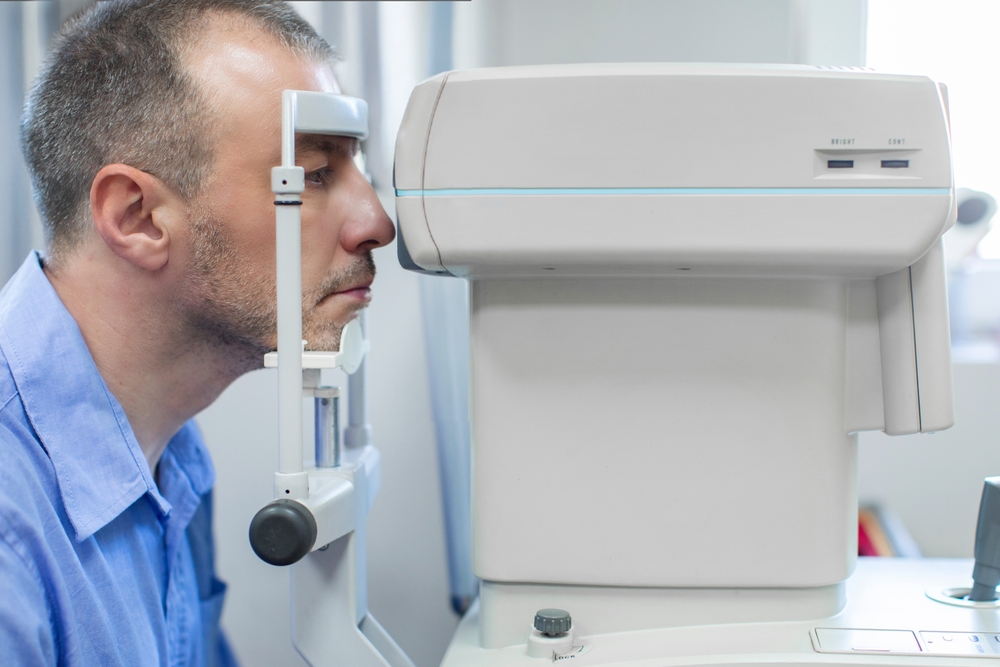
Glaucoma is a serious eye condition that can gradually damage the optic nerve, often without noticeable symptoms in its early stages. Without proper monitoring and treatment, glaucoma can lead to permanent vision loss. At Eye Care Center, we provide comprehensive glaucoma testing and management in Maple Grove, MN, to help detect changes early and protect your long-term eye health. Understanding what happens during a medical eye evaluation can help you feel more prepared for your appointment.
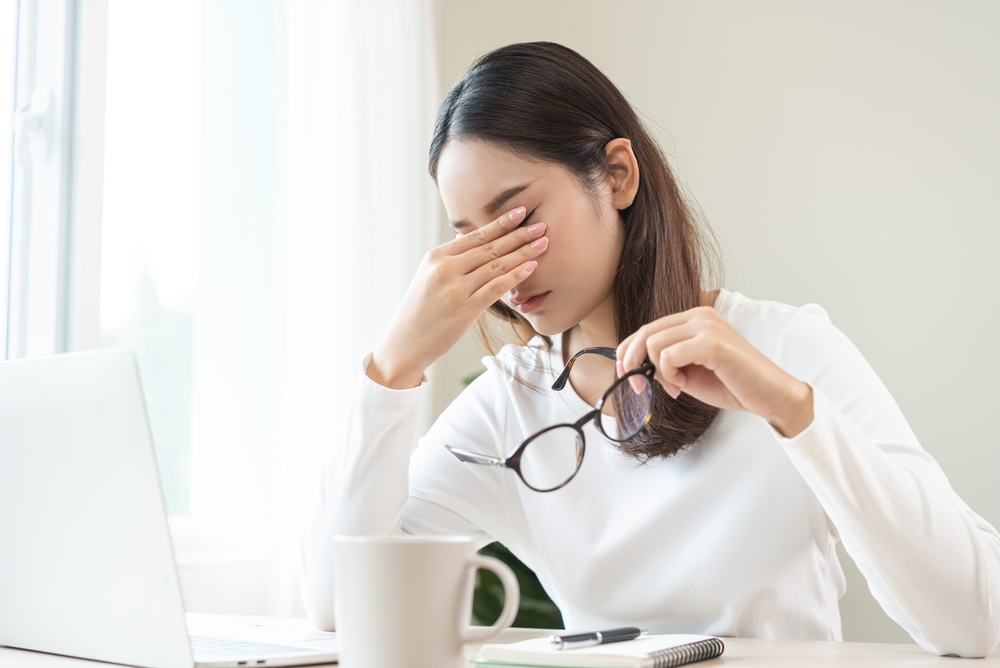
Dry eye is not always caused by simply having too few tears. For many patients, the problem is poor tear quality, inflammation, or dysfunction of the meibomian glands that produce the protective oil layer of the tear film. When these underlying problems are not addressed, artificial tears may provide temporary relief without resolving the reason symptoms keep returning.

Returning to the office often means returning to long hours in front of computer monitors, phones, and other digital devices. For professionals in Maple Grove, screen-heavy workdays can lead to tired eyes, headaches, neck tension, and difficulty staying comfortable as the afternoon progresses. At Eye Care Center, we offer Neurolens as a personalized option for patients whose screen fatigue may be connected to eye misalignment.
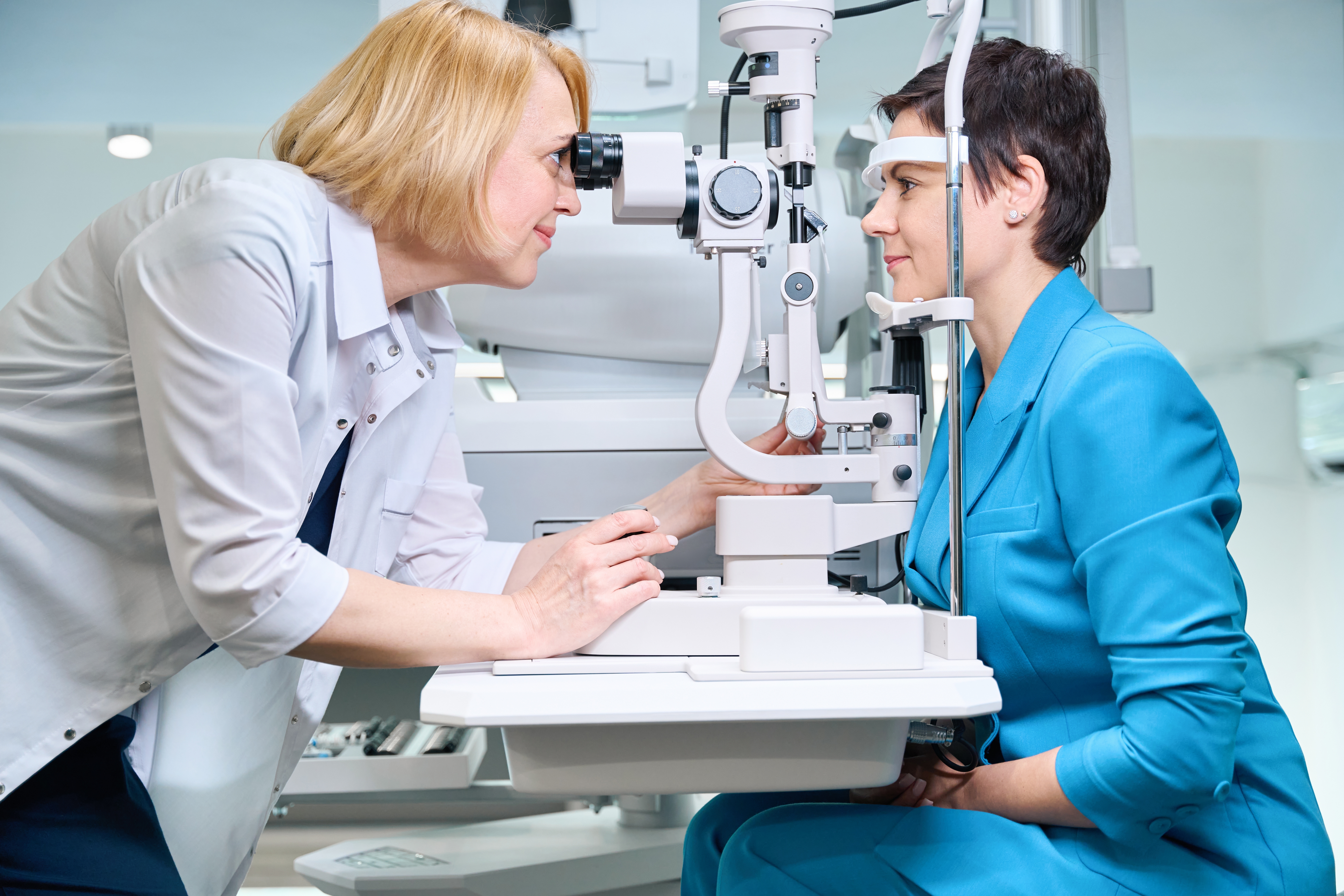
If you have ever looked at your glasses or contact lens prescription and felt confused by the abbreviations, you are not alone. Many Minnesota patients see terms like SPH, CYL, and AXIS and are unsure what they mean, especially when astigmatism is involved. Understanding the basics of your astigmatism prescription can help you feel more confident about your vision correction and know when it may be time for an updated eye exam.

As the eyes age, natural changes inside the eye can make flashes and floaters more noticeable. Floaters often appear as small specks, threads, cobwebs, or shadow-like spots that drift across your vision. Flashes may look like quick streaks of light, sparks, or flickers, especially in side vision. While flashes and floaters are common, they should not be ignored. In some cases, they are part of normal age-related eye changes. In other cases, they can point to a more serious retinal concern that needs prompt attention from an eye doctor.
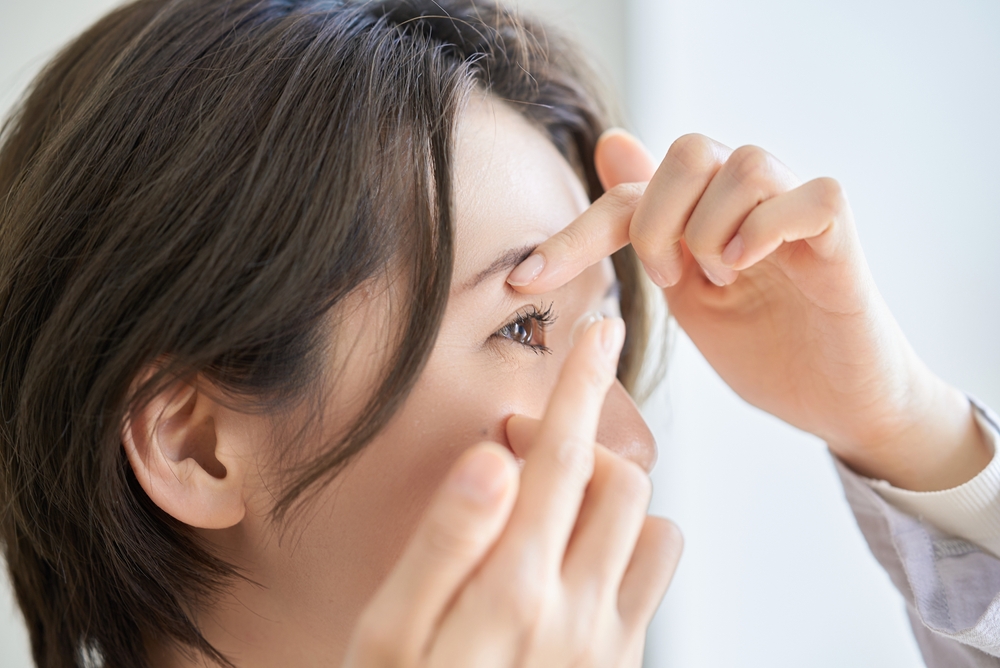
Contact lenses can provide clear, comfortable vision, but they require more than a standard vision prescription. A contact lens exam evaluates how lenses fit on the surface of the eye, how your eyes respond to lens wear, and whether your current lenses are supporting long-term eye health. Even if your vision seems clear, poorly fitting or outdated contact lenses can lead to dryness, irritation, blurry vision, redness, or a higher risk of infection. A proper contact lens exam helps detect small issues early before they become more uncomfortable or harder to manage.

If your vision looks blurry, the cause is not always the same from one person to the next. Astigmatism, nearsightedness, and farsightedness are all refractive errors, which means the eye does not bend light the way it should. While they can cause similar symptoms, they affect vision in different ways and may require different types of correction.
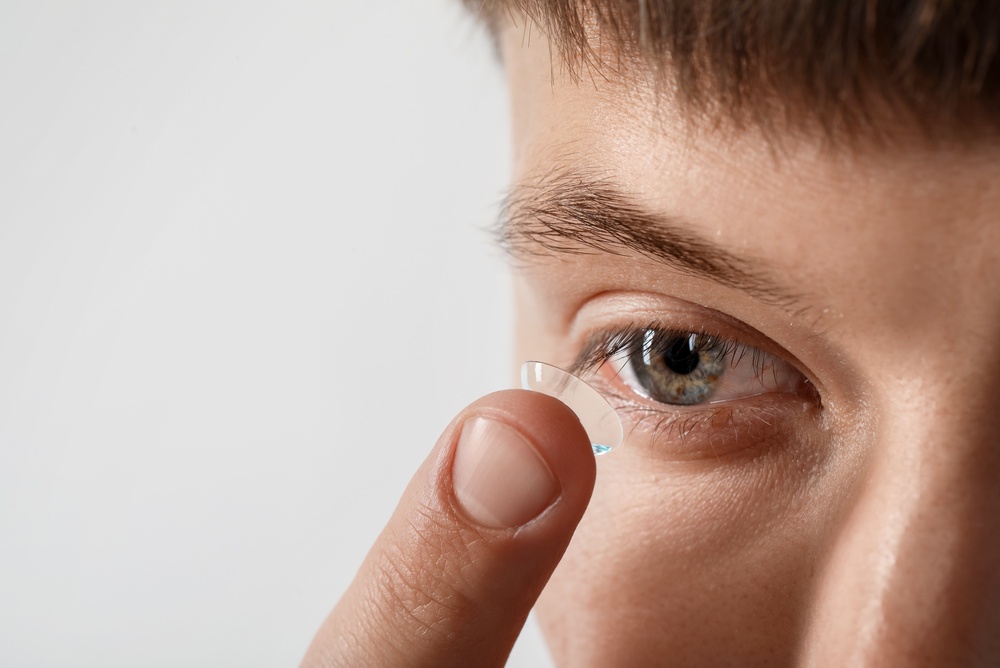
Switching to contact lenses is not just about replacing glasses. Contact lenses sit directly on the surface of the eye, so the fit, material, prescription, and wearing schedule all need to be carefully evaluated. A proper contact lens exam helps determine which type of lens will work best for your vision needs, eye health, and daily routine. Eye Care Center offers contact lens exams and fittings as part of its services.

Many children and teens become interested in contact lenses as they grow older, especially if they are active in sports, feel self-conscious about wearing glasses, or simply want a more convenient vision correction option.
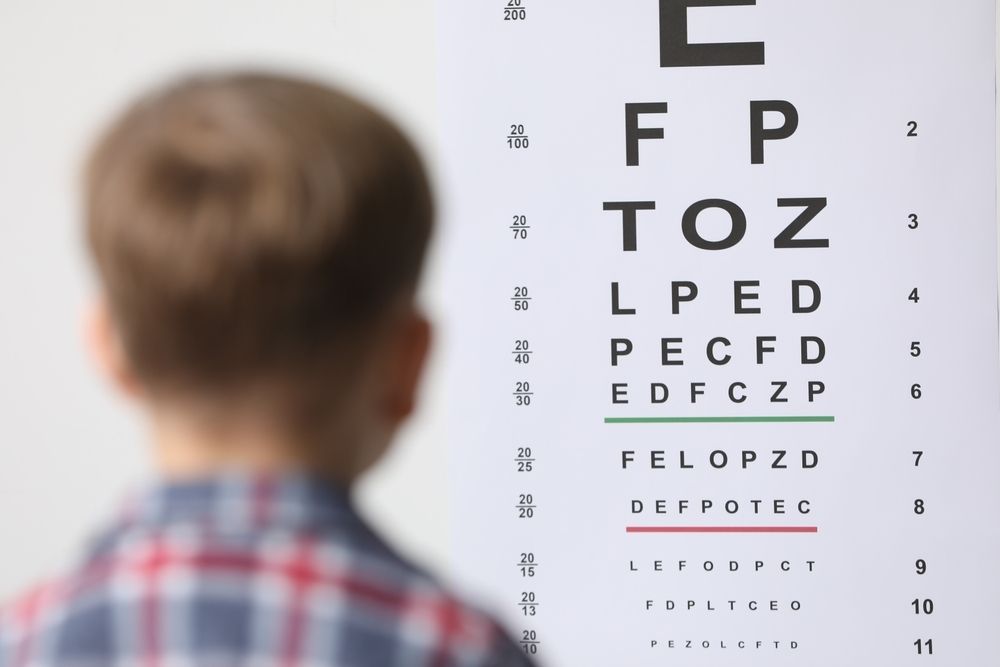
Many parents rely on school vision screenings as a quick way to check their child’s eyesight. While these screenings can be helpful as an initial alert, they are not a substitute for a comprehensive pediatric eye exam performed by an optometrist.

Eye Care
Services

Keep
In Touch


Hours
- Monday 09:00 AM - 06:00 PM
- Tuesday 10:00 AM - 06:00 PM
- Wednesday 09:00 AM - 06:00 PM
- Thursday 09:00 AM - 06:00 PM
- Friday 08:00 AM - 05:00 PM
© 2026 Eye Care Center. All Rights Reserved - Accessibility Statement - Sitemap
Powered by: