Is Your Child Ready for Contact Lenses? Benefits and Safety Tips
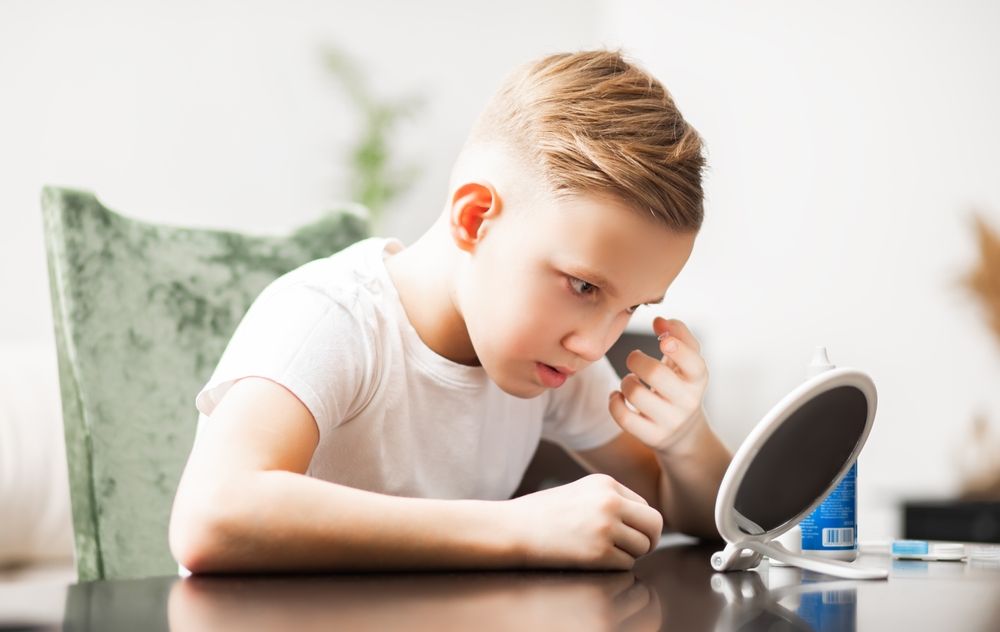
Many children and teens become interested in contact lenses as they grow older, especially if they are active in sports, feel self-conscious about wearing glasses, or simply want a more convenient vision correction option. While contact lenses can be a great solution for young patients, parents often wonder whether their child is ready and how to ensure they use them safely. With proper care and guidance from an eye care professional, many children can successfully and safely wear contact lenses.
When Is a Child Ready for Contact Lenses?
There is no universal “right age” for a child to begin wearing contact lenses. Some children as young as 8 years old can handle the responsibility, while others may need more time. Readiness depends more on maturity and hygiene habits than on age.
A child may be ready for contact lenses if they:
Follow instructions carefully
Maintain good personal hygiene
Are responsible with daily tasks
Show motivation to care for their lenses properly
An eye care professional will evaluate your child’s eye health, vision needs, and ability to manage lens care before recommending contact lenses.
Benefits of Contact Lenses for Children
Contact lenses offer several advantages that can improve both vision and quality of life for children.
Better Vision for Active Lifestyles: Children who participate in sports or physical activities often find contact lenses more convenient than glasses. Contacts do not slide down the nose, fog up, or risk breaking during play, allowing children to move freely and confidently.
Improved Peripheral Vision: Unlike glasses, which limit vision to the frame’s edges, contact lenses move with the eye. This provides a wider field of view and more natural vision, which can be especially helpful for sports and outdoor activities.
Boosted Confidence: Some children feel self-conscious wearing glasses, particularly during their teenage years. Contact lenses can help improve self-esteem by allowing them to feel more comfortable with their appearance.
No Weather or Temperature Issues: Glasses can fog up in cold weather, become wet in rain, or interfere with wearing sunglasses or protective gear. Contact lenses eliminate many of these everyday inconveniences.
Types of Contact Lenses for Children
Eye doctors often recommend certain types of lenses for younger patients based on comfort, convenience, and safety.
Daily Disposable Lenses: Daily disposable lenses are worn once and then discarded. They are one of the safest and easiest options for children because they do not require cleaning or storage.
Soft Contact Lenses: Soft lenses are flexible and comfortable, making them a popular choice for beginners. They adapt quickly to the eye and are easier to get used to than rigid lenses.
Your eye care doctor will help determine the best type of lens based on your child’s vision needs and lifestyle.
Important Safety Tips for Children Wearing Contact Lenses
Teaching proper lens care is essential to protecting your child’s eye health. Following these safety guidelines can help reduce the risk of eye infections or irritation.
Wash Hands Before Handling Lenses: Children should always wash and dry their hands before touching their contact lenses. Clean hands help prevent bacteria and dirt from entering the eyes.
Follow the Recommended Wear Schedule: Contacts should only be worn for the amount of time recommended by the eye doctor. Overwearing lenses can cause dryness, discomfort, or infections.
Never Sleep in Contact Lenses: Unless specifically prescribed by an eye doctor, children should remove contact lenses before sleeping. Sleeping in contacts can significantly increase the risk of eye infections.
Clean and Store Lenses Properly: For reusable lenses, children must clean them using the proper contact lens solution and store them in a clean case. Tap water should never be used to rinse lenses.
Replace Lenses as Directed: Contacts should always be replaced according to their schedule - daily, biweekly, or monthly. Using lenses beyond their recommended time can lead to discomfort and eye health issues.
Schedule Regular Eye Exams: Routine eye exams ensure that contact lenses continue to fit properly and that your child’s eyes remain healthy.
Schedule Your Child’s Eye Exam Today
Contact lenses can be a safe and effective vision correction option for many children when they are ready for the responsibility. With proper guidance, good hygiene habits, and regular eye care visits, young patients can enjoy clear vision and the freedom that contact lenses provide.
Contact Eye Care Center to schedule an eye exam and learn more about whether contact lenses are the right vision solution for your child. Visit our offices in Fridley, Maplewood, and Maple Grove, Minnesota. Call (763) 308-8440, (651) 777-3555, or (763) 420-6981 to book an appointment today.

Eye Care
Services

Keep
In Touch


Hours
- Monday 09:00 AM - 06:00 PM
- Tuesday 10:00 AM - 06:00 PM
- Wednesday 09:00 AM - 06:00 PM
- Thursday 09:00 AM - 06:00 PM
- Friday 08:00 AM - 05:00 PM
© 2026 Eye Care Center. All Rights Reserved - Accessibility Statement - Sitemap
Powered by: