Pink Eye in Adults and Children: Symptoms, Causes, and Treatment
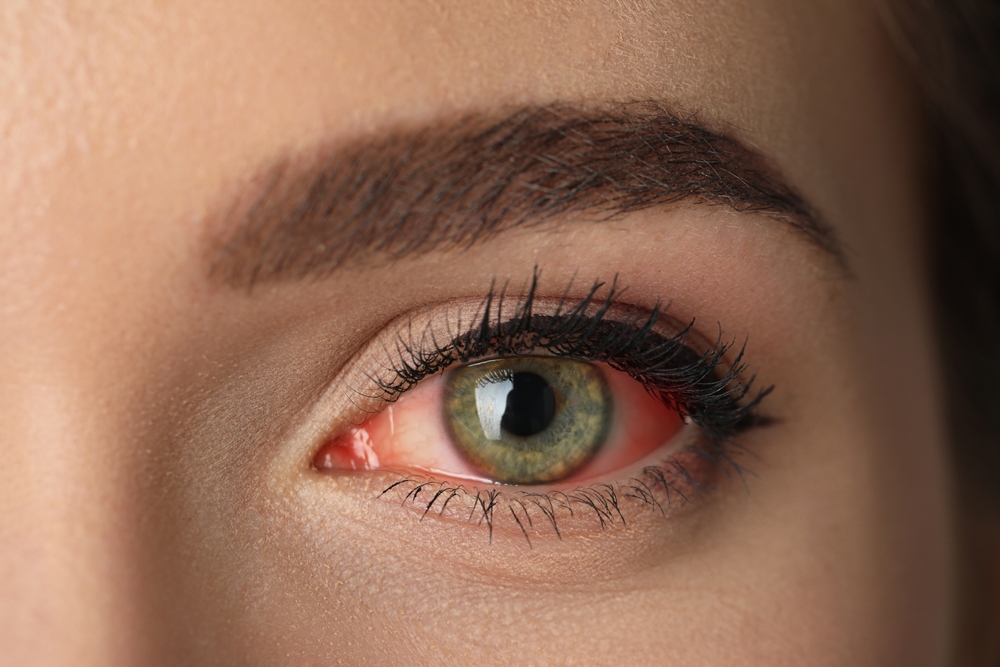
Pink eye, also known as conjunctivitis, is a common eye condition that affects people of all ages. While it is often mild, pink eye can be uncomfortable, highly contagious in some cases, and concerning - especially when it affects children. Understanding the symptoms, causes, and treatment options can help you know when it’s time to seek professional eye care.
What Is Pink Eye?
Pink eye occurs when the conjunctiva - the thin, transparent tissue that lines the inside of the eyelid and covers the white part of the eye - becomes inflamed or irritated. This inflammation causes the eye to appear pink or red and may be accompanied by other symptoms such as discharge, itching, or tearing.
Common Symptoms of Pink Eye
Pink eye symptoms can vary depending on the cause, but common signs in both adults and children include:
• Red or pink appearance in one or both eyes
• Itching, burning, or a gritty sensation
• Excessive tearing
• Discharge that may be watery, white, yellow, or green
• Crusting of the eyelids or lashes, especially after sleep
• Sensitivity to light
• Blurred vision due to discharge or irritation
In children, symptoms may be more noticeable because they often rub their eyes frequently or complain of discomfort.
Viral Conjunctivitis
This is the most common form of pink eye and is often associated with the common cold or other upper respiratory infections. Viral pink eye is highly contagious and usually spreads through direct or indirect contact with eye secretions.
Bacterial Conjunctivitis
Bacterial pink eye is caused by bacteria and often produces thick, yellow or green discharge. It is also contagious and more common in children, especially those in school or daycare settings.
Allergic Conjunctivitis
Allergic pink eye occurs when the eyes react to allergens such as pollen, dust, pet dander, or mold. It is not contagious and typically affects both eyes. Itching is often the most prominent symptom.
Irritant-Related Conjunctivitis
Exposure to smoke, chemicals, chlorine, or foreign objects can irritate the eyes and lead to conjunctivitis. Symptoms usually improve once the irritant is removed.
Pink Eye in Children vs. Adults
While the condition is similar in both groups, pink eye tends to spread more easily among children due to close contact in schools and daycare centers. Children may also have difficulty avoiding eye rubbing, which can worsen symptoms or spread infection. Adults, on the other hand, may experience pink eye related to workplace exposure, contact lens use, or allergies.
You should schedule an eye exam if symptoms worsen, last more than a few days, include significant pain or light sensitivity, or affect vision. Infants, young children, and contact lens wearers should be evaluated promptly to prevent complications.
Treatment Options for Pink Eye
Treatment depends on the type of pink eye:
• Viral pink eye usually clears up on its own within one to two weeks. Lubricating eye drops and cold compresses can help relieve discomfort.
• Bacterial pink eye may require prescription antibiotic eye drops or ointments to shorten the duration and reduce the spread of infection.
• Allergic pink eye is typically treated with allergy eye drops, oral antihistamines, or avoiding known allergens.
• Irritant-related pink eye improves once the irritant is removed and the eyes are flushed or treated with soothing drops.
It’s important not to self-diagnose, as symptoms can overlap. An eye exam can determine the cause and ensure the right treatment.
Get Expert Care for Pink Eye
Pink eye is a common and usually manageable eye condition, but proper diagnosis is essential for effective treatment and preventing its spread. Whether symptoms are caused by an infection, allergies, or irritation, timely care can help protect your vision and keep your eyes comfortable.
If you or your child are experiencing symptoms of pink eye, contact Eye Care Center to schedule an eye exam and receive personalized care. Visit our offices are in Fridley, Maplewood, and Maple Grove, Minnesota. Call (763) 308-8440, (651) 777-3555, or (763) 420-6981 to book an appointment today.

Eye Care
Services

Keep
In Touch


Hours
- Monday 09:00 AM - 06:00 PM
- Tuesday 10:00 AM - 06:00 PM
- Wednesday 09:00 AM - 06:00 PM
- Thursday 09:00 AM - 06:00 PM
- Friday 08:00 AM - 05:00 PM
© 2026 Eye Care Center. All Rights Reserved - Accessibility Statement - Sitemap
Powered by: